Beyond the Plate: How Nanyuki’s Top Chefs are Redefining “Farm to Table”
frank
January 17, 2022
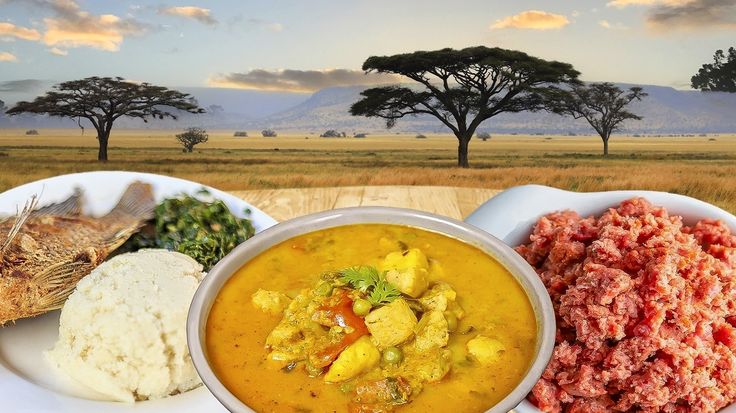
A t the base of Mount Kenya, food is serious business. Nanyuki’s culinary landscape is undergoing a silent revolution, one that doesn’t just chase modern trends but deeply honors the rich, black soil of the Laikipia plains. Forget pretentious fusion; the *true* definition of modern Kenyan dining is being written right here, by chefs who treat the distance between the farm and your plate with sacred reverence.
This is Nanyuki’s Farm-to-Table movement. It is fresh, it is hyper-local, and it is spectacularly good. For the chefs leading this charge, ‘sustainability’ isn’t just a buzzword; it’s the core of their business strategy. We went “Beyond the Plate” to speak with the creators redefining how Nanyuki eats.
Chef David working his magic: sourcing rare vegetables directly from a community farm in Timau.
The magic of Nanyuki cuisine starts not in the kitchen, but on the small, often hidden farms in the surrounding Timau and Nanyuki areas. These are not massive industrial operations; they are community-driven plots cultivating everything from obscure microgreens to rare varieties of root vegetables that flourish in the cool highlands. When a restaurant highlights *that day’s* organic potato or wild asparagus, they aren’t exaggerating.
What makes a local strategy *effective* isn’t just buying local; it’s knowing how to highlight it. We observed three distinct trends dominating the best dining rooms.

Why cook the life out of Timau asparagus? The trend is minimal processing. The best dishes often focus on raw preparations, light searing, or bright vinaigrettes that amplify the natural, potent flavor of volcanic soil produce.
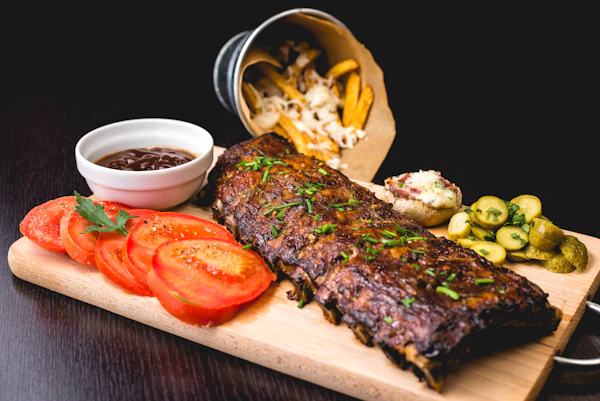
Our highland steakes are legendary, but the best chefs now practice vertical dining—sourcing the whole animal. Look for menus that creative uses of less ‘common’ cuts (pâtés, stews, broths), celebrating the entire lifecycle of the livestock.

Restaurants are forming deep ties with local artisan cheesemakers and honey harvesters. A Nanyuki cheese board is no longer generic; it’s a specific curation from producers within a 15km radius.
Ready to taste the revolution? Here is where the principles are truly active: