N anyuki has always been the definitive gateway for Kenyan adventure. For decades, it was simply where you went to hire porters and a guide to summit Mount Kenya. But the definition of ‘adventure’ in the Laikipia highlands has fundamentally changed. Today, the core of the experience isn’t just about *conquering* a peak; it’s about deeply connecting with the landscape, the wildlife, and the culture that surrounds it.
And this shift is being led by a new generation of local guides. This is ‘The Modern Explorer’ movement. Running a successful adventure business in a world-class conservation hub requires specialized knowledge that goes far beyond a map and a compass. We sat down with several industry-leading local entrepreneurs to distill the 10 core principles they have used to transform their small guide businesses into global operators.

The old ways meet new tools: Guide Samuel uses drone surveying and topographic maps to design low-impact conservation-focused hiking routes.
The Transformation from ‘Porter’ to ‘Partners’
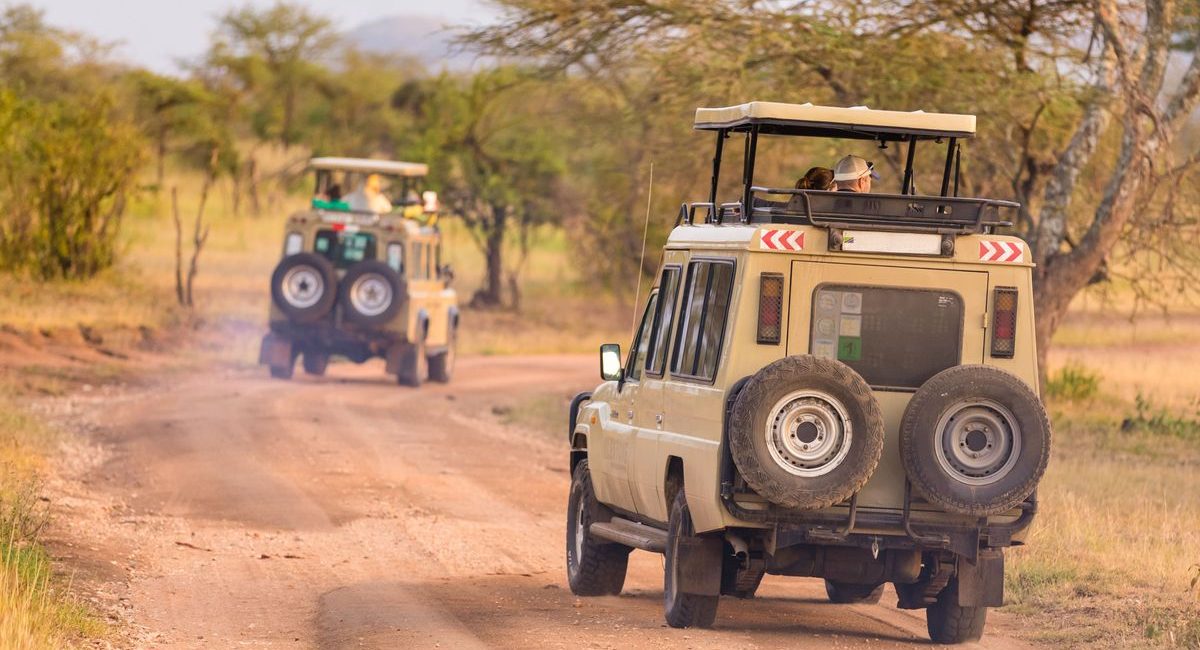
The old model was transactional. A client showed up, and the guide provided physical service. The modern model is relational. The guide is the expert, and the guest is a student. This new breed of adventure leader focuses on delivering education and narrative, making the climb (or safari) meaningful.
10 Amazing Tricks/Strategies About Small Business in Adventure
We consolidated advice from guides at Mount Kenya Climbing Club and established wildlife guides into 10 essential strategies that define the Modern Explorer approach in Nanyuki:
- 1. Deep Niche Expertise: Don’t try to guide everything. Be the local *master* of either Timau trekking, botanical knowledge, or predator tracking. Generalists are a dime a dozen.
- 2. Radical Sourcing Disclosure: When clients ask, tell them exactly which ranch they are staying at and which Timau vegetable farmer provided their evening meal. The ‘Modern Explorer’ craves transparency.
- 3. Storytelling as a Core Service: Learn the deep geological history of the Aberdares or the specific stories of Ol Pejeta’s individual animals. The *why* is more important than the *how* of the journey.
- 4. Technology for Impact, Not just Show: Use drones for unique route planning or low-impact scouting; use GIS maps to monitor animal movement. Make tech serve conservation.
- 5. The ‘Gilet Vibe’ Hospitality: Apply the same ‘effortless readiness’ philosophy from local fashion to your guiding style. Be calm, capable, and expertly multi-layered.
- 6. Post-Experience Community: Create private alumni groups for past clients. Modern adventure is built on shared experiences and long-term relationships.
- 7. Conservation Partnerships, not Fees: Don’t just pay conservancy fees; integrate your clients directly with conservation initiatives, perhaps sponsoring a radio collaring effort for a day.
- 8. Weather Prediction over Reaction: Invest time (and often, satellite technology) in understanding the micro-climates of the region. A good guide doesn’t just ‘react’ to an Equator storm; they anticipate it.
- 9. The Ethical Elephant in the Room: Have a formal, documented position on ethical animal viewing and sustainable trail usage. Authenticity wins.
- 10. Cultivate the ‘Local Insider’s Edge’: Always have a secret, unpublished viewing point or a unique connection that makes the experience irreplaceable.